

Topic
Summary
Unit twelve of Echoes & Reflections’ Holocaust curriculum centers on four fundamental questions that have shaped the entire program: What is genocide? Who were the victims before they became victims? How did genocide occur? How do we remember a genocide?
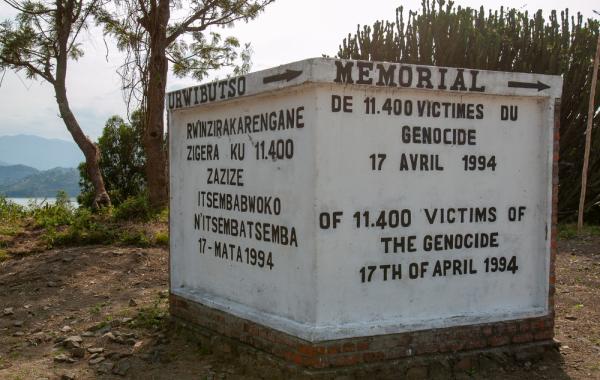
In this unit, students examine four genocides of the 20th century – the Armenians, Cambodians, Jews, and the Tutsis in Rwanda – analyzing their common themes, parallels, and differences. They look for meaningful insights and enduring lessons drawn from the study of genocide.
Students also investigate the techniques and power of propaganda to understand how it enables the extreme marginalization of a group. In turn, they explore how documentation, including testimony, legal frameworks, and acts of remembrance, strengthens civilization by empowering people to recognize and take action against hatred today.
More Units from Echoes & Reflections


