

Topics
- Media Literacy & Civil Discourse
- The Holocaust
Summary
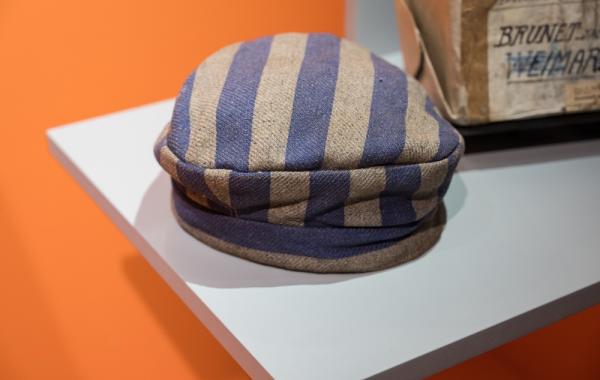
Thousands of educators across the United States have incorporated John Boyne’s The Boy in the Striped Pajamas into their Holocaust education curriculum. In a memo to readers, former Echoes & Reflections Project Director Deborah Batiste cautions the use of this fable to teach Holocaust history.
At the core of Batiste’s concern is the potential of fiction to confuse students about historical facts or lead to inaccuracies about locations, timelines, and the severity of events. The result is significant misinformation about the Holocaust in general and, in this particular book, about Auschwitz.
She warns that the book can leave students with the false impression that Auschwitz was tolerable rather than dehumanizing and brutal. While she acknowledges the author’s intent to convey moral lessons and challenge readers to dismantle the “fences” that divide people, she reminds educators that romanticized narratives are often more easily remembered than factual information.
In addition to posing important questions about how educators can responsibly deconstruct this fable with students, Batiste encourages the use of primary sources, including visual history testimony, as the first choice when teaching about historical events, helping students distinguish what truly happened from what did not, and could not have.
Recommended Resources


