

Topic
Summary
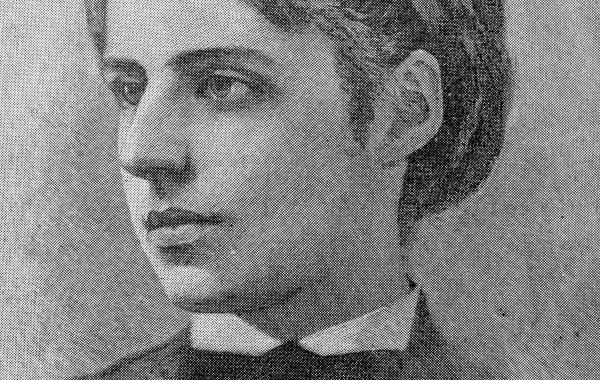
While embracing newcomers is a primary Jewish value, it became significant across the United States at a time of surging immigration largely because of the writings and influence of Emma Lazarus.
During the late 1800s, groups of Jewish, Irish, and Chinese immigrants were settling here and facing increasing prejudice. Emma Lazarus, a Sephardic woman and descendant of the oldest established Jewish community in the United States, was a poet and social justice activist who often wrote about what it meant to be an American Jew. At this same time, Lazarus wrote poetry that expressed Jewish values, especially “The New Colossus,” which depicted the concept of welcoming those who need safety and a new beginning. After the Statue of Liberty was built as a symbol of abstract ideals, Lazarus’s poem was eventually affixed to the statue in 1903.
In this lesson from the Weitzman National Museum of American Jewish History, students will learn about what the Statue of Liberty initially represented during a time when many immigrant groups were coming to the US. They will watch a brief video about Emma Lazarus, her activism, and how her writing was influenced by the Torah, and then dissect her poem, “The New Colossus.” Students will analyze cartoons that were published from the 1880s to the 1920s, discussing their interpretations and how immigrants and American values were portrayed at that time. The lesson culminates in a creative project where students design their own political cartoons that address the concept of “welcoming the stranger” in a modern way.
More From Stories That Shaped A Nation


