

Topic
Summary
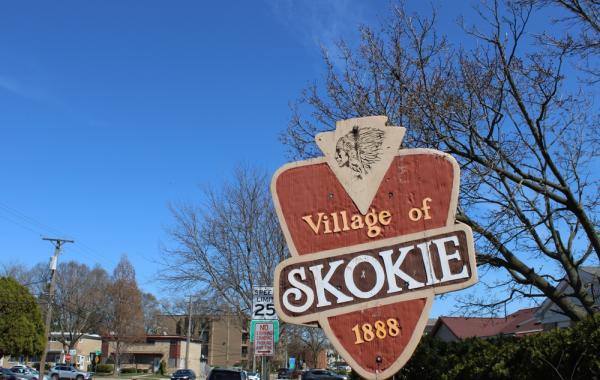
The 1977 Supreme Court case, National Socialist Party of America v. Village of Skokie was a landmark ruling upholding free speech in the United States, even as it sparked concern among minority communities who had faced persecution and violence. It offers students a chance to reflect on the complexities of protecting offensive speech in a democracy.
In this lesson from the Weitzman National Museum of American Jewish History in partnership with High School Law Review and Citizen Film, students will examine the Jewish value of dissent, focusing on the Talmudic tradition of preserving opposing views, and explore the challenges and protections of free speech in modern American society. They will study the background of the National Socialist Party of America v. Village of Skokie case, while practicing annotation and comparative thinking skills. The lesson culminates with a podcast project, creating short podcast episodes that explore their views on free speech, dissent, and hate speech.
More From Stories That Shaped A Nation


