

Summary
Dissent is a core part of democratic life in the United States, though it can create tension and be difficult to navigate. Without constructive ways to manage disagreement, it can lead to division, but it remains essential to communal life. In Jewish tradition, dissent is deeply valued, especially in religious and intellectual contexts, where debate and differing views are preserved, such as in the Talmud. This lesson explores the Jewish approach to dissent, focusing on the tradition of recording minority opinions in Talmudic texts.
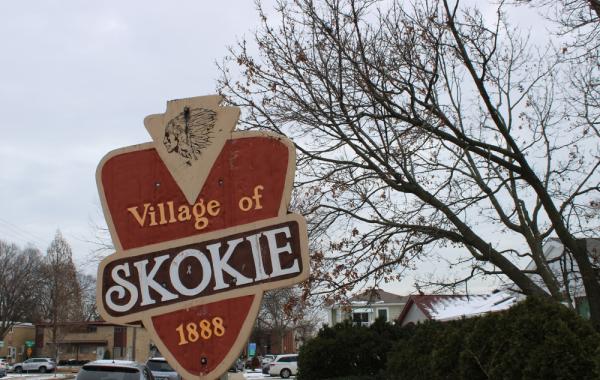
In this lesson from the Weitzman National Museum of American Jewish History in partnership with High School Law Review and Citizen Film, students will explore the Jewish value of dissent. Students will examine the Talmudic tradition of preserving dissenting opinions and consider the challenges and importance of free speech in today’s America. They will also learn about the 1977 Supreme Court case, National Socialist Party of America v. Village of Skokie and practice annotation and comparative analysis throughout the lesson.
More From Stories That Shaped A Nation


