

Topic
Summary
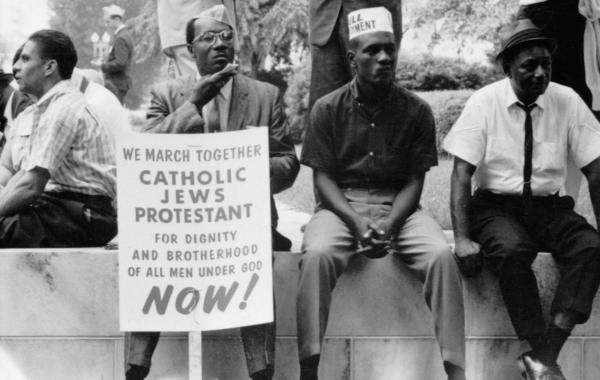
Stories of Black-Jewish solidarity during the Civil Rights Movement of the 1950s and 1960s often overlook internal tensions and differing views within Jewish communities. While many Jewish leaders supported the movement, others hesitated, weighing moral conviction against fears for communal safety. These relationships were shaped by difficult choices, shifting perspectives, and the realities of risk and responsibility.
In this lesson from the Weitzman National Museum of American Jewish History in partnership with The Beth El Civil Rights Experience, students will first reflect on their personal experiences with protests, activism, and supporting other communities. They will examine how rabbis and other leaders balanced their values with personal and communal risk during the Civil Rights Movement, analyze primary texts, and discuss the difficult choices these leaders faced.
More From Stories That Shaped A Nation


